Understanding Canadian Growing Zones
Canada uses the Plant Hardiness Zone map published by Natural Resources Canada, updated in 2023 to reflect observed climate shifts. Zone 3 (average minimum winter temperature of -40°C to -34°C) covers much of the prairies and northern Ontario. Zone 6 covers the Lower Mainland of BC and parts of southern Ontario. Most community gardens in major cities fall in zones 5 to 6.
The growing season length — measured as days between last spring frost and first fall frost — ranges from roughly 90 days in Edmonton to 160 days in coastal BC. This window determines which crops can be started directly outdoors and which require indoor seed-starting to reach maturity.
Average last frost dates by city: Vancouver April 3, Toronto April 20, Ottawa May 7, Calgary May 23, Edmonton May 13, Winnipeg May 11. These are averages; actual dates vary by 2–3 weeks in either direction year to year.
Root Vegetables
Root crops are among the most reliable choices for northern gardens because they tolerate cold soil, are direct-sown rather than transplanted, and store well into winter without processing.
Carrots
Varieties like Bolero, Napoli, and the short-rooted Chantenay types are well-suited to cold starts and heavy soils. Carrots can be direct-sown 2–3 weeks before last frost. Germination slows below 10°C but does not stop. In raised beds with improved drainage, carrots typically produce well across all Canadian growing zones. Thinning to 5–7 cm spacing is essential; crowded plants produce forked roots.
Beets
Beets tolerate light frost at both ends of the season and can be left in the ground into October in most Canadian zones before the soil hardens. Bull's Blood and Detroit Dark Red are standard community garden varieties. Leaves are edible and often harvested young as salad greens. Direct sow from mid-April onward in most regions; soil temperature above 7°C produces reliable germination.
Turnips and Rutabagas
Often overlooked in favour of more fashionable crops, turnips and rutabagas are exceptionally cold-hardy and can remain in the ground after multiple hard frosts. A fall planting seeded in late July matures in October and provides harvest well past when most summer crops have finished. Canadian cultivar Laurentian rutabaga was developed specifically for prairie conditions and remains a standard reference variety.

Leafy Greens
Leafy crops are the fastest-return category in community garden plots. Many can be harvested within 30–45 days of transplanting and provide multiple cuts through the season.
Kale
Red Russian and Lacinato kale are the most consistent performers across Canadian zones. Kale tolerates frost down to approximately -10°C and actually improves in flavour after exposure to cold. It can be direct-sown from late April through mid-July for successive harvests. A plot of kale seeded in May and managed with regular outer-leaf harvesting will produce through October in most Canadian cities.
Swiss Chard
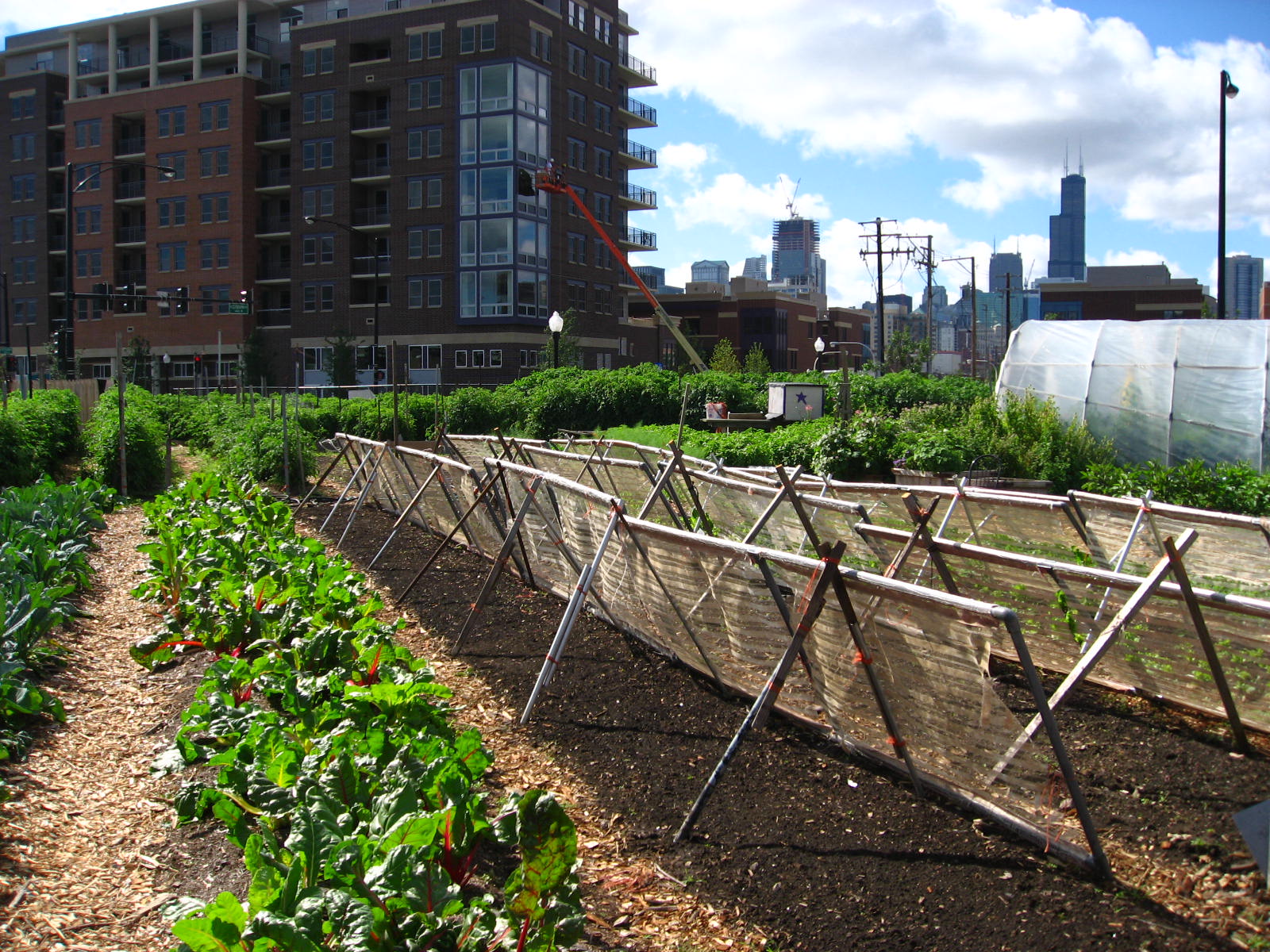
Chard is more cold-tolerant than most gardeners expect — it survives light frosts and continues producing once temperatures recover. Bright Lights (a multicoloured mix) and Fordhook Giant (white stemmed) both perform well in Canadian conditions. Unlike spinach, which bolts quickly in heat, chard holds through warm summer periods and resumes productivity in the cooler fall.
Spinach
Spinach is a spring and fall crop in most Canadian regions — it bolts (goes to seed) when day length exceeds 14 hours and temperatures rise above 24°C. Direct sow as early as the soil can be worked (late March or early April in southern zones). A fall sowing seeded in August produces well into October. Variety Tyee is a standard performer; Space is a popular smooth-leaved option used in smaller plots.
Alliums
Garlic
Hardneck garlic — particularly Music, Rocambole, and Purple Stripe types developed for northern climates — is typically planted in October and harvested the following July. It overwinters under snow reliably in zones 3 through 6. Most community gardens allocate a small dedicated section to garlic given its long occupancy period. Seed garlic is sourced from farm suppliers like Vesey's Seeds (Prince Edward Island) or local producers at fall farmers markets.
Green Onions and Chives
Bunching onions can be direct-sown from late April and produce harvestable green tops within 8 weeks. Chives are perennial in zones 3 and above and reliably return each spring without replanting. Both are low-maintenance and well-suited to the edges of community garden plots where they interfere minimally with neighbouring crops.
Cool-Season Legumes
Peas are one of the earliest direct-sown crops in a Canadian spring garden. Snow peas, snap peas, and shelling varieties like Maestro and Lincoln can be seeded 3–4 weeks before last frost. They prefer soil temperatures of 7–10°C and deteriorate quickly in summer heat, making them a clear spring and early-fall crop. Bush types are more practical in shared garden settings than tall climbing varieties that require substantial support structures and may shade neighbouring plots.
Herbs Worth Including
Parsley, cilantro, and dill are cold-tolerant and direct-sown. Parsley is biennial and often survives mild Canadian winters to bolt in its second year. Cilantro bolts quickly in heat; successive small sowings every two weeks from mid-May through June maintain a continuous supply. Dill self-sows readily and can become established in a shared plot over time without replanting. Basil is the notable exception — it is tropical in origin, damaged by any frost, and requires consistent warmth. It is reliably grown from transplants after last frost in most Canadian zones.
Seed Sources with Canadian Focus
Seed companies that select and trial varieties specifically in Canadian conditions produce more reliably adapted stock. Vesey's Seeds (PEI), West Coast Seeds (BC), and Stokes Seeds (Ontario) all publish variety catalogues with explicit zone suitability and days-to-maturity data relevant to Canadian growing seasons.