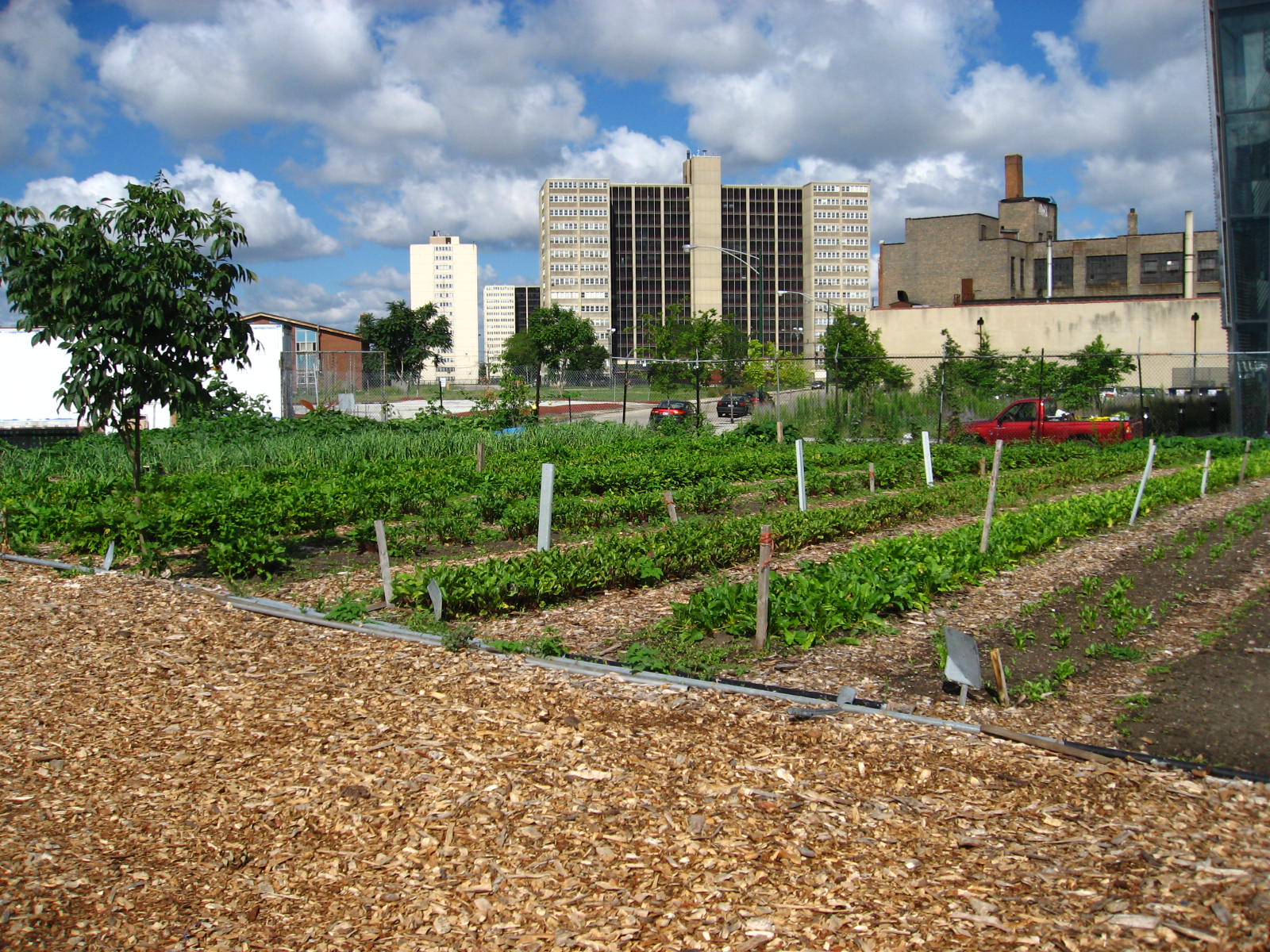
1. Determine Whether a Community Garden Fits Your Neighbourhood
Before approaching any public body or landowner, it helps to spend time documenting actual need. A basic survey of households within a few blocks — even a dozen responses — provides evidence that justifies public space use. Many Canadian municipalities require a minimum number of confirmed interested participants before they will approve a garden lease on city-owned land.
At the same time, check whether a community garden already exists nearby. Toronto's Parks, Forestry and Recreation division maintains a searchable map of active sites. Vancouver's Vancouver Board of Parks and Recreation keeps a similar register. Overlapping with an existing organisation's service area rarely works in anyone's favour.
Most Canadian municipalities require a non-profit or incorporated group — not an individual — to hold the lease for land used as a community garden. Forming a simple society under provincial legislation takes four to eight weeks in most provinces.
2. Identify a Site and Assess It Practically
Community gardens need at minimum six hours of direct sun per day during the growing season. Shade from adjacent buildings eliminates many otherwise attractive downtown lots from consideration. Walk the site at midday in late May or early June to assess actual light levels — a single visit in March will not reflect summer conditions accurately.
Soil contamination is a real concern in urban settings. Former industrial sites, gas stations, and dry cleaners leave residues that make direct in-ground growing unsafe. Phase I environmental assessments are expensive; however, many municipal environment departments maintain historical land-use maps that flag high-risk parcels at no cost. Raised beds with imported growing mix eliminate the exposure risk entirely and are the standard approach for most new urban gardens regardless of soil history.
Water Access
A tap within 30 metres of the growing area is generally the minimum workable distance for a garden with ten or more plots. Municipal parks departments sometimes retrofit existing hydrant connections when a site is on city land. Private land agreements must address water billing explicitly — unresolved water costs have ended more than a few otherwise well-functioning gardens.
3. Approach the Landowner or Municipality
For city-owned parcels, the relevant department varies by municipality. In Calgary it is Community Standards; in Ottawa, Recreation, Cultural and Facility Services; in Montreal, the borough's Direction des sports, des loisirs et du développement social. A letter of intent supported by your survey results and a basic site plan is the standard opening document.
Private landowners are sometimes receptive to community garden proposals when the arrangement relieves them of mowing obligations and the garden group accepts liability through its insurance policy. Lease terms of three to five years give a garden enough security to invest in infrastructure; anything shorter makes it difficult to justify raised-bed construction.
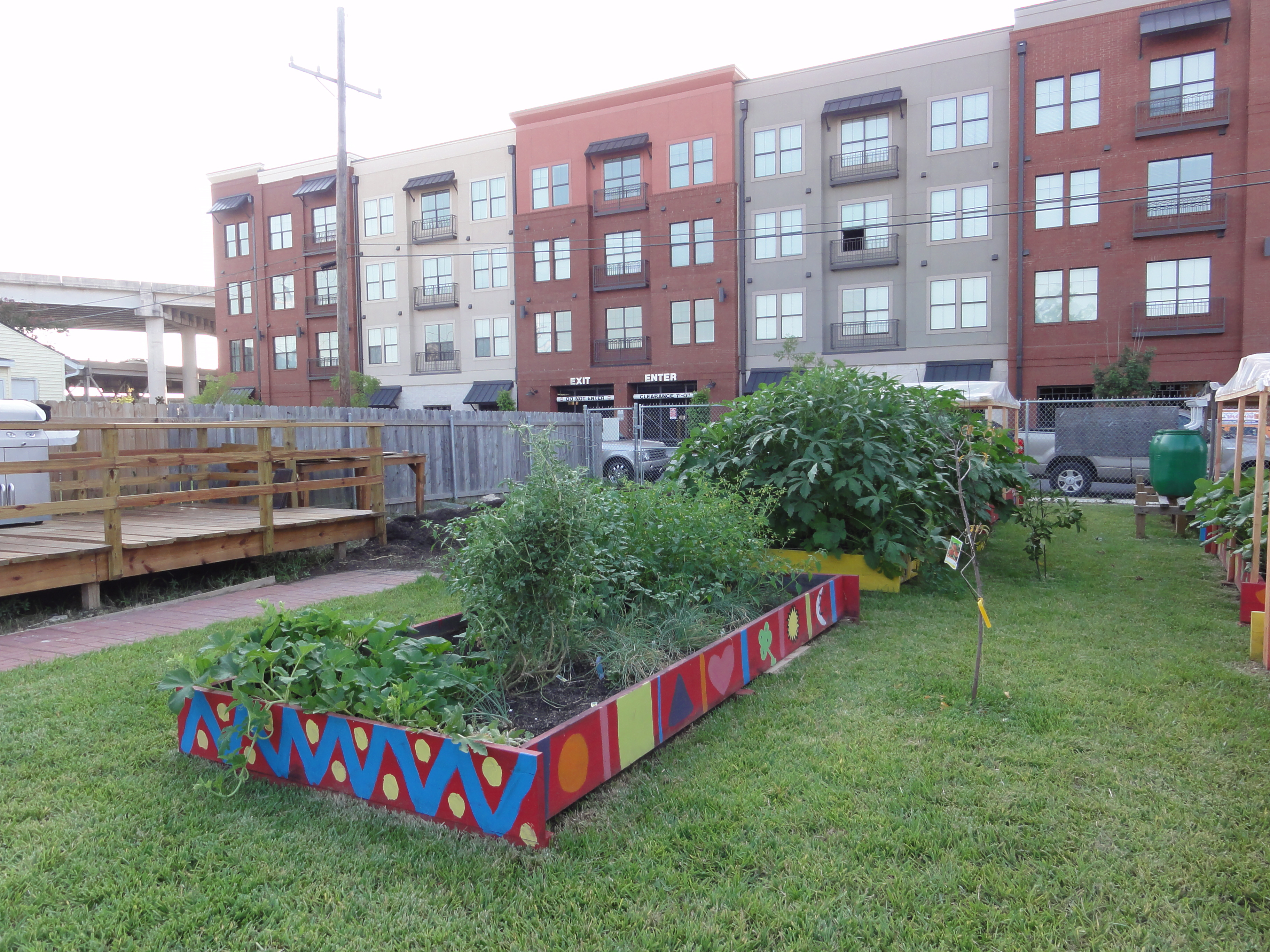
4. Structure the Organisation
Most functioning community gardens in Canada are governed by a simple set of bylaws covering: membership fees, plot sizes, waiting list procedures, maintenance obligations, and rules for plot abandonment. The Food Secure Canada network has published model governance documents that smaller groups adapt.
Annual membership fees in Canadian cities typically range from $25 to $80 depending on plot size. Fees cover water costs, tool storage, soil amendments, and basic insurance. Keeping fees below the local average for a CSA box subscription helps attract members who are genuinely interested in gardening rather than those looking for produce delivery at low cost.
Plot Sizes and Allocations
Standard plots in urban Canadian community gardens are commonly 10 ft × 10 ft (roughly 9.3 m²) for individual or couple households, and 10 ft × 20 ft for families. Some gardens offer half-plots for first-year members, which reduces the risk of plot abandonment from gardeners who underestimate the time commitment.
5. Prepare the Site for the First Season
Site preparation for a first growing season usually begins in early April in southern Ontario and BC, and mid-April in the prairies. Tasks in sequence: remove surface debris, install raised-bed frames if using them, source and deliver growing mix, set up water access, establish tool storage, and mark individual plots clearly.
Growing mix for raised beds is typically a blend of compost, peat or coco coir, and coarse perlite. Commercial bagged mixes labelled "vegetable garden soil" vary considerably in quality; purchasing in bulk from a local landscape supplier and inspecting the material before delivery is more reliable.
6. Connect with Existing Urban Agriculture Networks
Province-level organisations provide resources ranging from liability insurance group rates to seed-library access. In Ontario, Growing Food Connections publishes a municipal policy scan updated annually. In BC, the BC Food Systems Network connects urban gardening groups across the province. FoodShare Toronto and the Edmonton Urban Farm Society both run mentorship programs for newly formed community gardens.
Municipal recreation departments in cities with established garden programs — Vancouver, Toronto, Calgary, Ottawa — maintain waiting lists and allocation processes that new gardens can mirror rather than design from scratch.